
Service · Healthcare
Workplace Chaplain Care for Healthcare Teams
Supporting the People Who Spend Their Days Caring for Others
Healthcare professionals regularly enter some of the most difficult moments in another person's life.
Nurses, physicians, aides, technicians, hospice and palliative-care professionals, home-health clinicians, administrative staff, and healthcare leaders work in environments where illness, uncertainty, difficult decisions, grief, and loss are part of the work.
At the same time, they are still carrying their own lives — families, relationships, caregiving responsibilities, financial pressures, health concerns, grief, and personal challenges.
California Corporate Chaplains provides confidential, non-clinical workplace chaplain support for the people behind the care.
Through scheduled workplace presence, remote support, and 24/7 on-call chaplain access, CCCHAPS gives healthcare employees and leaders a trusted person outside normal clinical and supervisory relationships who can listen, support, and remain present when life or work becomes heavy.
Chaplain support is voluntary, confidential within appropriate professional, ethical, safety, and legal limits, and respectful of belief and non-belief.
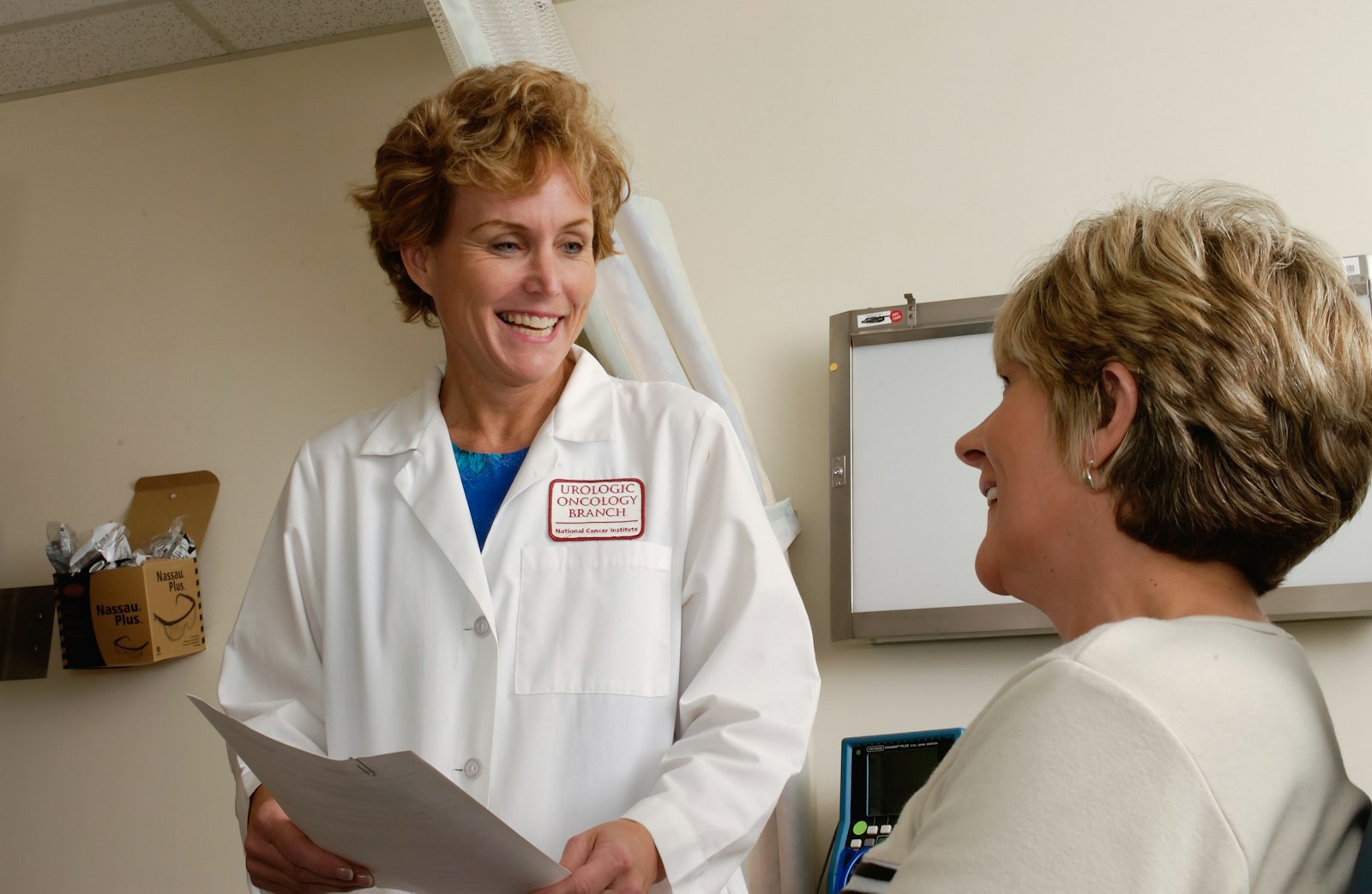
What healthcare teams carry
The Human Pressures Healthcare Teams Carry
Healthcare work requires clinical skill, attention, compassion, and responsibility — often simultaneously.
The difficult part is that the emotional impact of the work does not always end when a shift ends.
Healthcare employees may carry concerns involving:
- Repeated exposure to illness, decline, death, and grief
- Compassion fatigue and emotional exhaustion
- Difficult patient or family encounters
- Moral and emotional strain surrounding complex situations
- High-acuity or demanding work environments
- Long shifts and irregular schedules
- Workplace conflict or difficult team dynamics
- Family and relationship concerns
- Financial pressures
- Caregiving responsibilities
- Personal illness or serious diagnoses
- Grief and loss outside the workplace
- Career transitions and workplace changes
- Spiritual or meaning-of-life concerns
- Or simply needing a confidential person who will listen
A chaplain does not need to solve every concern.
Sometimes the most important first step is providing a safe place for an employee to say what they have been carrying.
How it works
How Workplace Chaplaincy Works in Healthcare
Healthcare environments do not operate like traditional nine-to-five workplaces.
Support has to fit around shifts, patient-care responsibilities, multiple departments, mobile teams, and facilities that may operate around the clock.
CCCHAPS builds chaplain support around the organization's selected Care Team Package.
Depending on the arrangement, this may include scheduled on-site presence, remote support, confidential messaging, phone and text access, scheduled video when available, and 24/7 on-call chaplain support.
During scheduled workplace visits, chaplains can become a familiar and approachable presence rather than someone employees meet for the first time during a crisis.
Employees choose whether they want to engage.
A conversation may happen during a break, following a difficult case, after receiving personal news, or simply because an employee needs someone outside the normal chain of command to talk with.
Through CALLACHAP, the CCCHAPS Care Portal, and CCCHAPS On Demand, employees also have pathways to support and resources beyond the scheduled workplace visit.
Difficult moments
Support Before, During, and After Difficult Moments
Healthcare professionals frequently care for others during moments that may carry significant emotional weight.
A patient may decline unexpectedly.
A longtime patient may die.
A family interaction may be particularly difficult.
An employee may learn that someone in their own family is seriously ill.
A team may experience the death of a colleague.
A leader may have to guide employees through difficult news while also processing the event personally.
CCCHAPS chaplains can provide a calm, confidential, non-clinical presence during these situations and remain available for appropriate follow-up afterward.
The goal is not to remove difficult emotions or rush people through grief.
It is to make sure employees and leaders have somewhere appropriate to turn while they navigate what has happened.
Hospice · Palliative · End-of-life
A Particular Strength in Hospice, Palliative Care, and End of Life
Grief, serious illness, caregiving, hospice, and end-of-life support are important areas of CCCHAPS chaplaincy practice.
Hospice and palliative-care professionals repeatedly accompany patients and families through decline, anticipatory grief, dying, and bereavement. Even when this work is deeply meaningful, repeated exposure to loss can carry an emotional weight.
CCCHAPS can support the professionals doing that work.
Where an organization's service arrangement specifically includes patient and family support, CCCHAPS chaplains may also provide ministry of presence, companionship, non-clinical emotional support, spiritual support when requested, and appropriate grief or end-of-life presence within professional chaplain scope.
This service is structured carefully so that CCCHAPS complements rather than disrupts existing hospice, hospital, pastoral-care, social-work, or spiritual-care programs.

Leaders & HR
Support for Healthcare Leaders and HR Teams
The people leading healthcare organizations carry pressures of their own.
Executives, clinical leaders, supervisors, administrators, and HR professionals may simultaneously be managing staffing concerns, difficult employee situations, organizational change, patient-care responsibilities, workplace incidents, and their own personal lives.
There are also moments when a leader knows an employee needs support but recognizes that the conversation should not remain solely within management or HR.
A workplace chaplain provides another appropriate pathway.
CCCHAPS chaplains can offer confidential support directly to leaders while also serving as a neutral support resource for employees.
When an employee needs assistance beyond the chaplain's scope, the chaplain can encourage appropriate connection with resources such as an EAP, licensed mental-health professional, healthcare provider, community resource, or other specialized service.
Complementary care
Working Alongside the Support Systems You Already Have
CCCHAPS is not designed to replace existing healthcare support structures.
Our workplace chaplains complement resources such as:
- Human Resources
- Employee Assistance Programs
- Mental-health and counseling benefits
- Hospital staff chaplains
- Hospice spiritual-care coordinators
- Clinical social workers
- Employee wellness programs
- Internal pastoral or spiritual-care departments
- Medical professionals
- An employee's personal clergy or faith community
- Emergency services
CCCHAPS provides an additional relational layer of care: a trusted, confidential, non-clinical person employees and leaders can choose to talk with.
Boundaries
Professional Boundaries Matter
Healthcare environments require clear professional roles.
CCCHAPS chaplains do not diagnose mental-health conditions, provide psychotherapy, practice medicine, make clinical decisions, or interfere with patient-care responsibilities.
We also do not replace established hospital or hospice chaplaincy departments.
Spiritual conversations occur when welcomed by the individual.
Chaplain support is permission-based, and employees who decline a conversation are respected without pressure or unwanted pursuit.
Personal conversations are treated as confidential within appropriate professional, ethical, safety, and legal limits.
24/7 access
Support That Extends Beyond the Scheduled Visit
A difficult moment may happen at 2:00 in the afternoon — or 2:00 in the morning.
Every CCCHAPS service arrangement includes 24/7 on-call chaplain access.
Employees and their immediate household members can access available support pathways through the organization's CCCHAPS arrangement, while CALLACHAP, the CCCHAPS Care Portal, and CCCHAPS On Demand extend access beyond scheduled workplace presence.
Scheduled on-site, remote, or blended chaplain presence is then built around the organization's Care Team Package and operating environment.
That might mean supporting:
- A hospital with multiple departments and shifts
- A hospice interdisciplinary team
- Home-health employees working throughout a service region
- An outpatient or specialty practice
- A rehabilitation environment
- A behavioral-health organization within non-clinical chaplain scope
- A multi-site healthcare organization
The model adapts to the workplace rather than expecting the workplace to adapt to the chaplain.
Settings served
Healthcare Settings We Serve
CCCHAPS workplace chaplaincy can be structured for:
- Hospitals
- Hospice & Palliative Care
- Home Health
- Outpatient Clinics
- Rehabilitation Organizations
- Healthcare Practices
- Multi-Site Healthcare Organizations
- Behavioral Health Organizations within non-clinical chaplain scope
- Other healthcare environments seeking confidential workforce support
Care for the caregivers
Care for the People Who Carry the Care
Healthcare organizations depend on people who repeatedly show up for others.
Those people need somewhere they can turn too.
Workplace chaplaincy provides a confidential space outside the clinical and supervisory structure where an employee can talk, reflect, grieve, ask for spiritual support when desired, or simply be heard.
For CCCHAPS, healthcare chaplaincy begins with a simple commitment:
Care for the people who spend their days caring for everyone else.
Ready to Talk?
Whether you are considering workplace chaplaincy for a hospital, hospice, home-health organization, clinic, or healthcare system, we can discuss your workforce, existing support resources, and the type of chaplain presence that would fit your environment.