
Beyond the Hard Hat: Supporting the People Who Work in the Trades
Construction and skilled-trades workforces carry more than the physical weight of the job. A practical look at the human pressures behind the trade — and where support can fit alongside safety programs, not in place of them.
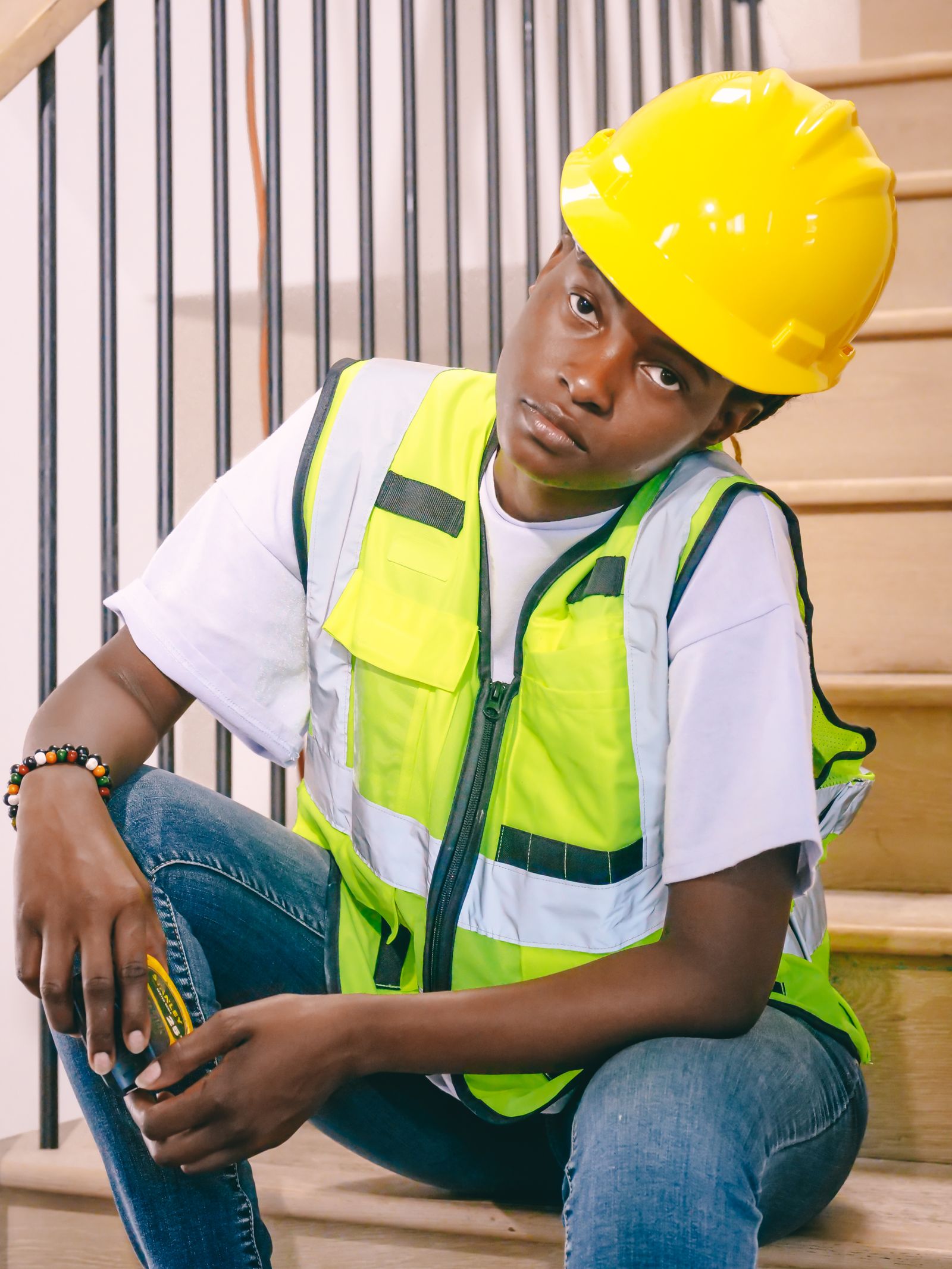
Construction and skilled-trades workforces are among the most quietly demanding populations in the country. Early hours, physically taxing work, weather, project variability, travel, family separation, and the standing pressure of getting the job done safely and on time. Add the ordinary weight of family life — a spouse in a hard season, a parent aging, a teenager in trouble, a financial squeeze — and the daily load becomes obvious once you look for it.
This article is about that load, and about how appropriate support fits into a trades workforce without stepping on the safety program, HR, EAP, or clinical resources that already do critical work. There are no shortcuts here, and there are no lectures. Just an honest look at what workforce care can and should be for the people behind the tools.
The Realities Behind the Trade
Every jobsite carries a mixture of public and private weight. On the public side: schedule pressure, weather delays, tool breakdowns, punch lists, and the constant discipline of doing detailed physical work correctly under time pressure. On the private side: relationships, kids, aging parents, health, addiction concerns in the family, financial obligations, and the strain of not always knowing what the next project or paycheck looks like.
None of this makes trades workforces different from other workforces in kind. It makes them different in shape. The stress of the job is more physical, the schedules are less predictable, and the culture — legitimately proud of its toughness — often does not have a natural language for saying "this is hard today." That is not a weakness; it is a set of working conditions that support pathways need to fit around.
What Trades Workers Do Not Usually Want
Trades workers tend to have a good instinct for detecting anything that feels like a program done to them. A canned wellness pamphlet, a corporate video, or a mandatory session with a stranger who has never been on a jobsite will not land. That is not a knock on any of those things; it is a fair read on how experienced tradespeople treat unfamiliar people asking them to open up.
What tends to work is different. A familiar presence. Someone who shows up to the jobsite, drinks coffee, learns names, and does not ask anyone to talk about anything they do not want to talk about. Someone who is clearly not part of management, HR, or the safety chain, and who does not carry an agenda into the conversation. Over time, that person becomes a normal part of the day, and quiet conversations start to happen — sometimes about family, sometimes about grief, sometimes about the future.
Grief, Injury, and the First Days After a Hard Event
Trades workforces occasionally face events that mark a crew for a long time — an on-site injury, a fatality, a fire, a bad accident on the way home, the loss of a well-known figure. In the days after, the operational response is well-documented and usually well-run: investigation, communication, family notification, safety review. What is often less well-developed is the human response for the coworkers who were on-site or on the crew.
This is where chaplains contribute, within their scope. A chaplain can be present on the jobsite, walk with the crew for a shift, sit quietly at breaks, meet with individuals privately if they want to talk, and coordinate with HR and clinical resources when a situation calls for one. That is not therapy. It is not incident investigation. It is company for a hard week, offered by a familiar person who has been on the site long before the event happened.
The Ordinary Weeks Between
Most of what chaplaincy contributes to a trades workforce is not in the crisis moment. It is in the ordinary weeks between crises, when the chaplain is around, and the crew starts to trust that talking about something at home does not become a rumor at work. Family strain. A daughter in her first year of college. A parent's cancer treatment. A missed anniversary because of a project deadline. The small, quiet conversations that hold a life together are the ones a chaplain is trained for.
See the Construction & Skilled Trades page for how CCCHAPS shapes chaplaincy specifically for trades workforces.
How Trades Leaders Can Use This
If you lead a trades operation, three practical steps go a long way. First, take an honest look at what human support your workforce actually reaches for today — beyond the safety program, HR, and the health plan. Second, ask whether that reach is real or theoretical. Third, decide whether you want to add a relational layer that respects the culture of the crew and does not try to turn the jobsite into a counseling office.
California Corporate Chaplains works with trades employers to shape chaplaincy around real jobsite conditions, not around a template. An exploratory conversation is the honest first step — nothing bought, nothing promised, no numbers we cannot substantiate.
Continue With This Resource
Supporting the People Behind the PPE
A practical leadership brief on the human pressures affecting construction and skilled-trades workforces — alongside, never in place of, the safety program.
Where CCCHAPS Can Help
California Corporate Chaplains provides confidential, non-clinical, relationship-based chaplain support. Learn how our Workplace Chaplaincy service applies to organizations like yours.
Related Articles
Grief, Crisis & Emotional Well-Being
Beyond Physical Safety: Why Emotional Well-Being Matters at Work
Grief, Crisis & Emotional Well-Being
When Crisis Comes to Work: What Leaders Should Have in Place Before It Happens
Grief, Crisis & Emotional Well-Being
Grief Doesn't Stay Home: Supporting Employees After a Loss
Next Step
Want to Talk About Support for Your Organization?
If this is something your employees or leaders are navigating, California Corporate Chaplains can help you explore a care approach that fits your organization.
Schedule a Conversation